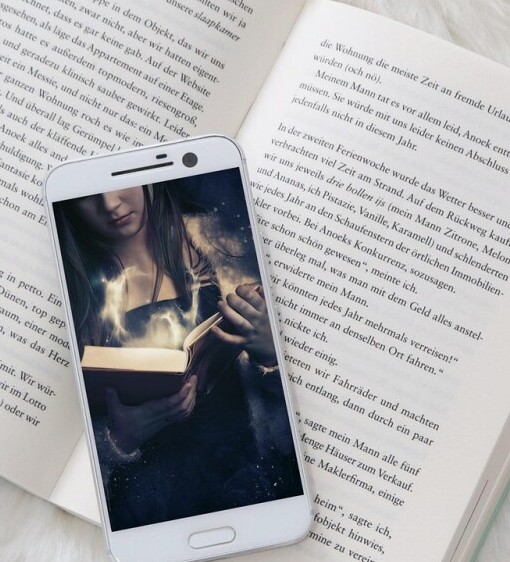
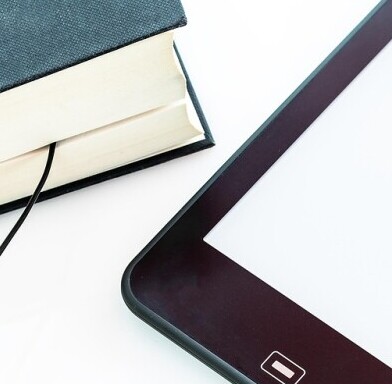
In the whirlwind of technological advancements, written word has transformed dramatically. From scribbles on ancient papyrus to the endless screens of digital devices, each era has its unique flavor. But here’s the catch: literacy, in essence, remains a cornerstone of personal growth and societal progress.
The importance of wielding literacy like a well-sharpened tool can’t be overstated. It’s your ticket to exploring stories, historical contexts, and multiverse adventures through books. These days, the gateway isn’t just through dusty old libraries. Our options have exploded with traditional books sharing the stage with their pixel-powered cousins, e-books.
We’re living in an age where digital screens and physical pages are duking it out to grab your attention. But why limit yourself to just one when both e-books and traditional textbooks have distinct vibes and perks? With countless options at your fingertips, it’s worth exploring how both mediums fuel our thirst for knowledge.
Don’t shrug off the scribbles of this new digital age. E-books offer opportunities with their lightweight existence, easily accessible format, and sometimes interactive, multimedia twists. Pair that with the tactile comfort and nostalgic joy of turning a physical page, you’ve got the best of both worlds. As a habitual reader, it’s all about making informed choices line by line or paragraph by paragraph.
Stick around as we unwrap the intriguing tug-of-war between e-books and traditional textbooks. Whether you’re a tech-savvy bookworm or a paperback enthusiast, the tale of literacy in the digital era is one you won’t want to miss.
Understanding the Differences: E-books vs. Traditional Textbooks
At the heart of this reading revolution are e-books and traditional textbooks. Let’s shine a light on what makes them tick. E-books, exist purely in a digital realm. They’re accessed and read on devices like tablets, e-readers, or even good old smartphones. This allows for a library’s worth of info in the palm of your hand without the worry of straining your back with heavy loads.
Traditional textbooks, on the other hand, have that tangible essence. You feel the weight, smell the ink on paper, and even occasionally get a paper cut. They’re quintessential and nostalgic to many, offering a sense of permanence and completeness. Flipping physical pages can be as comforting as a cup of hot tea on a Sunday afternoon.
When it comes to accessibility, e-books often come out on top. Imagine accessing a vast range of titles anytime and anywhere, especially for night owl readers who loves to burn the midnight oil. It has features like adjustable font sizes and search functions add layers that catering to diverse needs.
Now, traditional textbooks bring their own special twist: It has an unmatched ease of annotation for those who like to scribble notes in the margins. There’s something about jotting thoughts down next to important text that digital notes can’t quite replicate. They don’t rely on battery life, which can be a deciding factor when electricity is nowhere to be found.
Whether it’s the digital pages or the printed pages, the choice rests in what aligns with your reading journey.
Pros and Cons: Weighing E-books and Traditional Textbooks
When it comes to the ups and downs, e-books offer plenty to chat about. A big plus is their accessibility. With e-books, you can carry thousands of titles on one device without worrying about shelf space or weight, which is a dream come true during long commutes or travel. And let’s not forget how eco-friendly they are by cutting down on paper usage.
Yet, e-books aren’t all rainbows. Reading from a screen can strain the eyes, and dealing with dead batteries at the worst moments can be frustrating. And while some enjoy the interactive features and multimedia support, others miss the tactile engagement that physical books offer.
On the flip side, traditional textbooks shine with their longevity and durability. They withstand the test of time with no worries about software updates or compatibility issues. For many, the joy of flipping pages is a cherished ritual, often making information retention feel more natural.
But every pro has its con. Traditional textbooks can get pretty pricey, especially if they’re updated frequently, leading to hefty costs for students across the globe. Not to mention the hassle of lugging them around from class to class, which can add considerable weight to a student’s daily load.
Ultimately, the decision isn’t one-size-fits-all. Weighing the benefits against the drawbacks means considering your personal habits, preferences, and needs. Whether you’re tech-leaning or a print purist, balance is key in making the most out of both worlds. The sweet spot lies in leveraging both for a robust mix of knowledge acquisition.
The Debate: Will E-books Replace Traditional Textbooks?
Whether e-books are set to overtake traditional textbooks is a question that stirs quite the debate among readers and educators alike. The stats show a steady rise in e-book adoption, especially in educational settings where instant access to resources is essential. With interactive features, up-to-date content, and reduced costs, e-books promise a modernized approach to learning.
Yet, the transition isn’t without bumps. Cultural attachment to paper books runs deep, with many still valuing the tactile experience and nostalgia associated with finding their favorite quotes tucked into the margins. The timelessness of a printed book is something digital pages have yet to fully capture.
Then there’s the environmental angle. E-books boast a smaller carbon footprint initially, but ongoing energy consumption and electronic waste are concerns in the long haul. Meanwhile, paper books, despite deforestation challenges, can remain in circulation for decades if properly maintained and without relying on energy sources.
In practice, many educational institutions are blending the two, using e-books for their digital flexibility while maintaining a collection of traditional textbooks for their charm and reliability. There are case studies where schools have managed to reduce the costs and increase accessibility with e-books, while keeping a foot in both worlds.
So, will e-books ever completely erase the need for traditional textbooks? It’s an evolving story depending on advancements in technology, shifts in societal preferences, and how seamlessly new generations embrace change. Keeping an eye on these trends helps educators and students make the best choices for their learning environments.
Conclusion: Harmonizing E-books and Traditional Textbooks for Improved Literacy
Balancing between e-books and traditional textbooks doesn’t have to be a tug-of-war. The key is finding harmony in using them both to supercharge our learning and reading experiences. By understanding what each medium offers, we create a blend that fits diverse needs and preferences.
Educators and learners stand to gain by leveraging this dual approach. Inviting technology into classrooms opens new doors for interactive learning, while traditional books foster a tactile, enduring connection with the written word. Instead of viewing them as rivals, why not see them as partners in literacy?
It’s crucial for stakeholders—teachers, students, publishers—to remain open-minded. Continuously evaluate how these tools best serve educational goals and personal growth. For example, integrating e-books in tech-savvy subjects while using traditional textbooks for subjects requiring in-depth annotations might offer the best of both worlds.
While technology will continue to innovate and surprise us, the charm of flipping through a good old book isn’t vanishing any time soon. Savvy use of both can help cultivate well-rounded readers for both current and future literacy challenges.
Ultimately, whether it’s a glowing screen or a paper page, the journey is all about enhancing how we connect with words, ideas, and knowledge. Literacy isn’t just learning—it’s living.