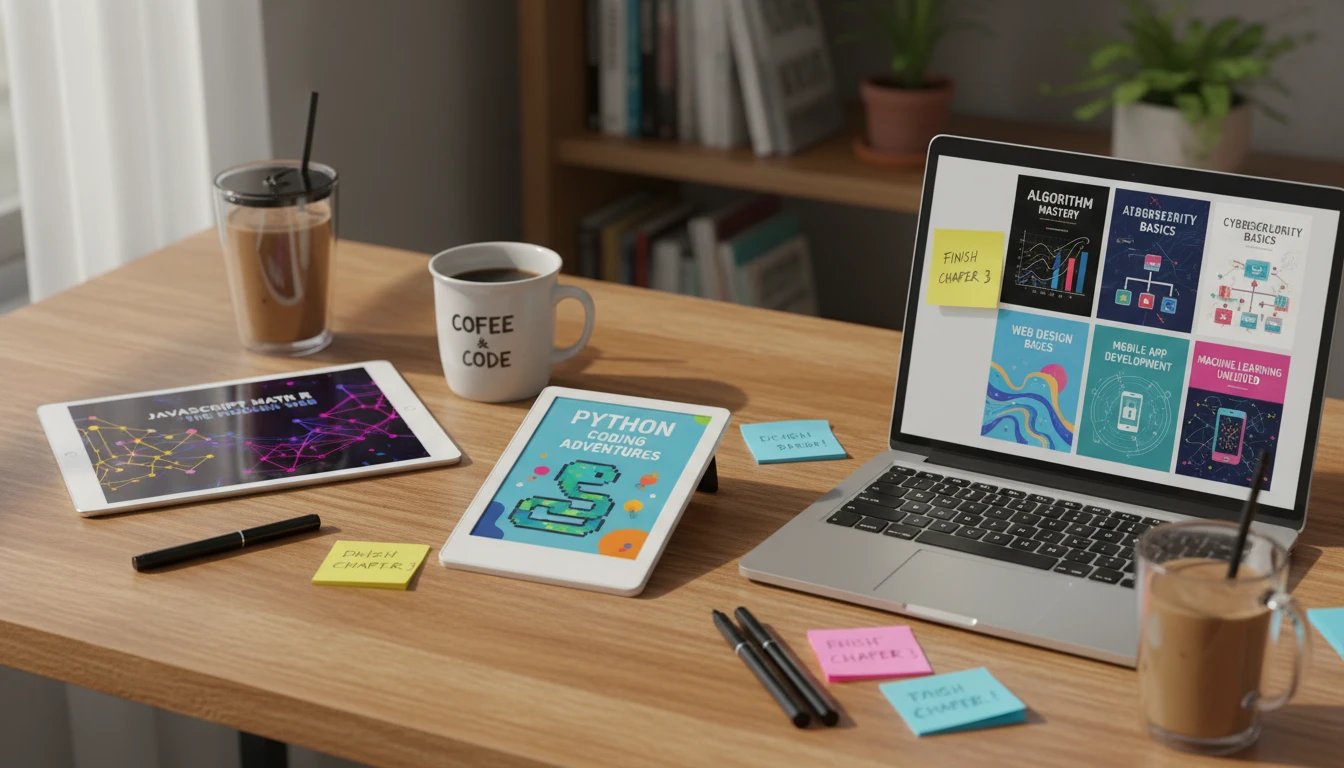
Learning how to code can feel like a pretty big task, especially if you’re starting from scratch. There’s a sea of resources out there, including online courses, video tutorials, and coding bootcamps, but e-books hold a special place because you can go through them at your own pace and revisit tricky chapters anytime. I’ve spent years trying out and recommending materials for new programmers, so I want to share some e-books that are super helpful for beginners who want to get started into programming.
E-books That Make Programming Less Scary
The first thing to know is that it can seem overwhelming. Having a solid guide makes the whole process smoother. E-books offer step-by-step explanations, hands-on exercises, and simple examples that are easy to follow, no matter your experience level. It’s nice that most of these guides are written by people who’ve walked the same path, so they know what it’s like to be a beginner.
Programming has become a growing skill in so many industries. You don’t have to be aiming for a full-time developer job; just knowing the basics of coding helps with data analysis, automating tasks, or even building your own small apps for fun.
Today, you can grab a beginner friendly e-book and start learning from your phone or laptop, making it as accessible as reading a novel.
Choosing the Right E-books to Start Programming
Finding a good programming e-book for beginners is really about matching your needs and interests. Some e-books get into theory, while others are more hands-on and project based. If you’re starting from zero, it’s helpful to look for books that mix clear explanations with lots of practice problems.
A lot of e-books for beginners break things down with easy language, fun examples, and exercises that help lock in what you’ve just read. Here are a few common programming terms you’ll see and learn about early on:
- Variables: These hold data, kind of like labeled jars you can store stuff in.
- Loops: Handy for repeating tasks without writing the same code over and over.
- Functions: Blocks of code grouped together so you can reuse them whenever you need.
- Syntax: The set of rules for how code should be written in a specific language.
Step-by-Step: How to Use E-books for Learning Programming
Getting the most out of a programming e-book means putting in some practice as you read along. Try this approach:
- Start With the Basics: Open the book and read the introductory chapters. Don’t be afraid to go slow and repeat sections if they don’t click right away.
- Practice As You Go: Most good e-books include sample problems or simple projects. Keep a code editor (like Visual Studio Code or Replit) open so you can try examples as they come up.
- Join an Online Community: Platforms like Stack Overflow or Reddit’s learn programming can help if you get stuck. It’s also motivating to connect with other newbies.
- Review Concepts Regularly: Programming is like learning a new language—it sticks better if you review.
- Build Something Small: Once you finish a few chapters, try making a tiny project, like a calculator or a todo list app. This helps solidify what you’ve learned.
Popular Beginner Programming E-books Worth Checking Out
Here are some e-books that stand out for absolute beginners. Each brings something useful to the table, depending on your learning style and which language you want to start with.
- “Automate the Boring Stuff with Python” by Al Sweigart: Perfect if you’re into practical projects. The author walks you through realworld things like automating tasks on your computer.
- “Python Crash Course” by Eric Matthes: Clear explanations and project-based learning in Python, which is often considered the most beginner friendly language.
- “Eloquent JavaScript” by Marijn Haverbeke: This book is fun, interactive, and introduce you to core programming basics using JavaScript.
- “Head First Programming” by Paul Barry: Uses a visual and engaging format. Sometimes quirky, but memorable and great for visual learners.
- “Learning PHP, MySQL & JavaScript” by Robin Nixon: For anyone interested in web development, this covers a lot of ground in an easy-to-read way.
Things You’ll Want to Think About Before Picking an E-book
Some hurdles pop up when learning programming with just a book, but it can be frustrating to understand. Here are a few things to keep in mind as you pick an ebook or start reading one:
- Language Choice: Choose a book based on a language that matches your goals, like Python for beginners, JavaScript for web development, or Java for app development.
- Interactive Support: Some books pair well with online coding sandboxes or communities, letting you test out code snippets without extra setup.
- Keeping Up to Date: Programming evolves very fast. Double-check that the book isn’t more than a few years old, especially for subjects like JavaScript or web technologies.
- Access to Extras: Most e-books include downloadable files, quizzes, or cheat sheets you can reference quickly.
Language Choice
Going with Python is a smart move for most beginners. It’s readable, has a huge community, and tons of resources. If you have your eye on building websites, picking something like JavaScript makes sense. Match your first ebook to the type of projects you’d like to eventually create.
Interactive Support
Check if your chosen ebook suggests online editors (like Trinket or Replit), which are super useful if you don’t want to mess with installing things at the start. Books like “Automate the Boring Stuff with Python” have companion sites with interactive code exercises, which makes practicing way easier.
Staying Current
If a book mentions old coding techniques or outdated frameworks, you might end up learning things you don’t actually need. It’s helpful to look for ebooks that mention updates or have second or third editions.
Access to Extras
Some ebooks have bonus chapters, downloadable code, or links to video walkthroughs. These little perks help reinforce what you’re reading and let you learn in different ways, which is super useful if you hit a mental block or want a different explanation.
It’s normal to hit roadblocks when learning programming, but ebooks typically break down tough concepts with clear language and lots of repetition. The more practice you get, the more confident you’ll feel writing your own code.
Level Up: Extra Tips and Tricks for New Programmers
Once you’ve knocked out the basics, there are a few ways to keep up your momentum and start feeling at home in the programming world:
Build a Portfolio of MiniProjects: Small coding projects—even a digital clock or a simple webpage—help build your confidence.
Play with Open Source: Platforms like GitHub are great for getting exposure to realworld code and teaming up with others.
Join Coding Challenges: Sites like Codecademy, HackerRank, and LeetCode offer practice problems and challenges that match what you’re learning from ebooks.
These actions help make programming skills stick, and sometimes you’ll even stumble upon which types of coding you enjoy most.
For extra support, read some blog articles or watch beginner videos alongside your ebook studies. Sometimes hearing something explained in a different way is all you need to make sense of a topic.
Why Beginner E-books Matter and Real-World Use Cases
The right ebook can turn a confusing mess of code into something logical. It helps when someone guide a student or a friend to start with a basic ebook, and watch their first big win, like building a working calculator. This gives them a boost. It’s also practical because plenty of people would pick up enough programming information from e-books to automate spreadsheets at work, scrape web data, or build simple business tools without spending a fortune.
- Personal Projects: Automate reminders, manage expenses, or build games as you learn.
- Career Boost: Even a little coding knowledge makes you stand out in jobs that need working with data or websites.
- Creative Hobbies: Explore things like generative art, interactive websites, or digital music making with code.
FAQs for Programming Beginners Using E-books
Here are a few questions from folks just getting started:
Question: What’s the best programming language to start with?
Answer: Python is usually easiest because of its readable syntax and huge support community, but JavaScript or Ruby are also beginnerfriendly.
Question: How much time each day should I spend practicing?
Answer: Even 20–30 minutes a day, as long as you’re consistent, adds up quickly. Slow and steady really works here.
Question: How do I know if I’m making progress?
Answer: Besides finishing chapters, try out the exercises and build something simple from scratch. If you can explain a concept to someone or fix your own bugs, you’re learning!
Wrapping Up the Programming E-book Adventure
Starting out in programming is easier with the guidance of a wellwritten ebook. You’ll find yourself learning new concepts, solving little puzzles, and building projects you’re actually proud of. The flexibility of e-books means you can learn on the couch, on the train, or at your own desk, at a pace that works for you.
Ready to try it yourself? Grab your first beginner ebook, take your time exploring the examples, and keep practicing. You’ll be surprised at how quickly things start to click when you stick with it.